Blocked drains are one of those household annoyances that can turn into a serious problem if you leave them too long. I have seen plenty of cases where a slow-draining sink or a gurgling toilet gets ignored, and before long you are dealing with standing water in the garden or a backed-up kitchen. The first question most people ask is whether they can clear it themselves with a shop-bought plunger or a can of chemicals. Sometimes that works, but often it just shifts the blockage further down the pipe, and that is where professional drain rodding comes into the picture.
Drain rods have been around for a long time, and for good reason. They are simple, effective tools that let a skilled operator push, twist, and pull debris out of a pipe without needing to dig up the garden. When you call a drainage specialist like A+ Drainage Services, they do not always jump straight to heavy machinery. A lot of the time the first tool they reach for is a set of drain rods. It is a method that relies on feel and experience, and that is exactly what makes professional drain rodding worth paying for.
What Professional Drain Rodding Actually Involves
If you have never seen it done, professional drain rodding is the process of feeding a series of interlocking rods into a drain to break up or retrieve a blockage. The rods are usually made of a stiff but flexible plastic, and they screw together as the operator pushes them further into the pipe. Unlike a drain snake, which is a coiled wire that works well on smaller pipes and closer blockages, drain rods are stiffer and better suited to longer runs and heavier obstructions.
The real skill comes in knowing how much force to apply. Push too hard and you can damage an old clay pipe or shove the blockage further along. Push too gently and you will not shift anything. A good operator can feel the difference between a soft clog of grease and a hard root ingress through the rod. That tactile feedback is something no machine can fully replace. It is one reason why people in Essex and London still rely on this technique for everything from kitchen sink blockages to stubborn toilet blockages.
When Rodding Is the Right Call
Professional drain rodding is not the answer to every blockage, but it is often the best first attempt. For external drains that are blocked by leaves, silt, or a collapsed pipe lining, rodding can often clear the way without needing to excavate. I have worked on jobs where a CCTV drain survey showed a solid mass of roots and grease about four metres down the pipe. The survey gave us the exact location, and a set of rods with a corkscrew attachment pulled the whole mess out in under twenty minutes.
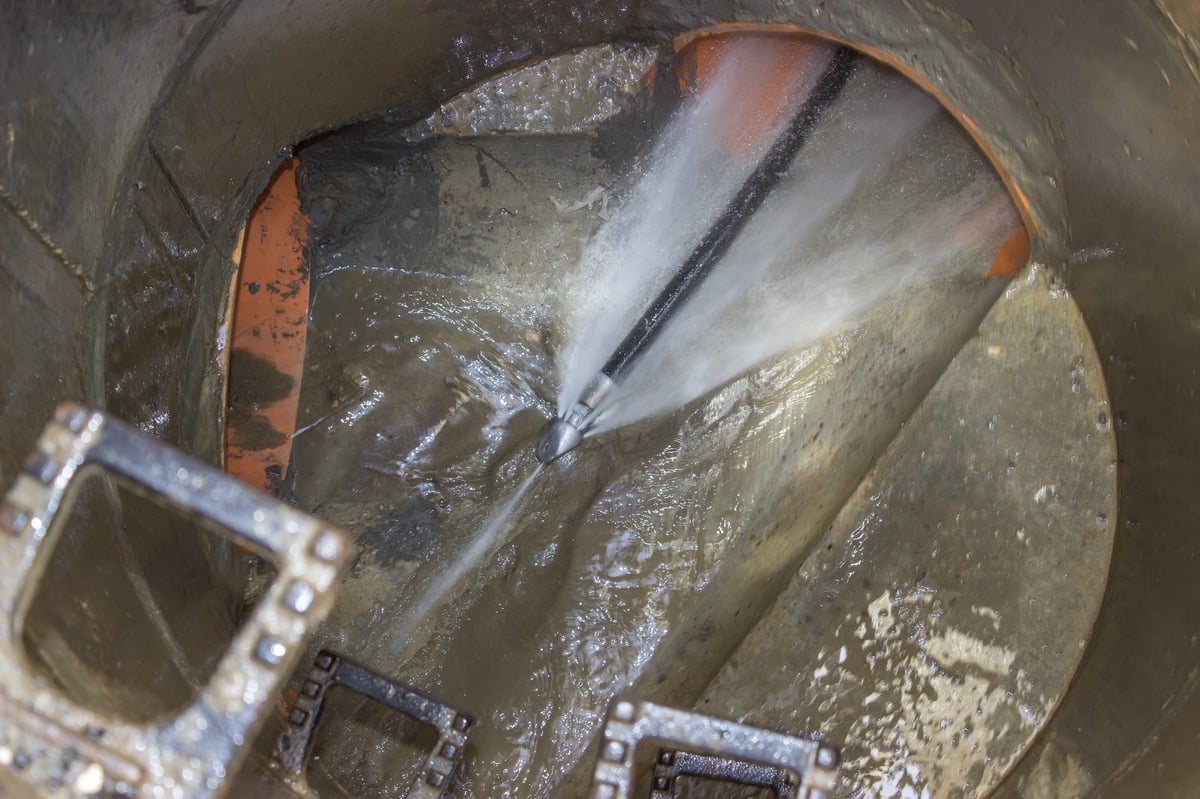
On the other hand, if the pipe has collapsed entirely or there is a heavy root mass that has grown through the joints, rodding alone will not fix it. That is when you need high pressure water jetting or possibly a drain repair. But even in those cases, rodding helps the team figure out what they are dealing with. It is a diagnostic tool as much as a clearing method.
Kitchen Sink and Toilet Blockages
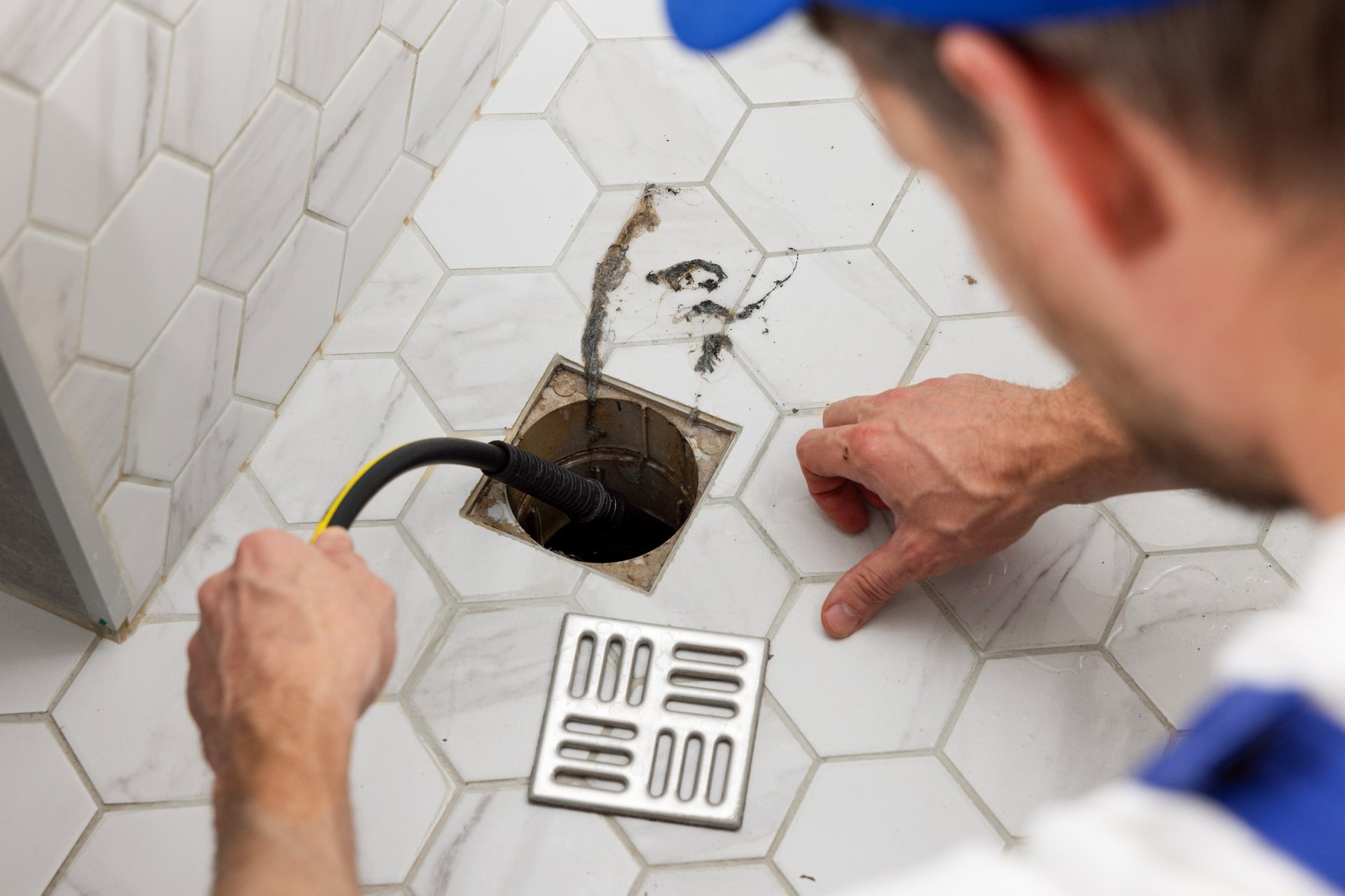
Indoor blockages are a different beast. A kitchen sink blockage is often caused by a build-up of fat, oil, and food scraps that hardens inside the pipe. A drain snake can sometimes punch through that, but if the blockage is deep in the main stack, you need something with more reach. Professional drain rodding can get past the trap and into the vertical stack, where the real trouble lives. Toilet blockages are similar. A plunger might clear a surface block, but if the problem is further down the soil pipe, rods give you the reach to break it up without removing the toilet.
One thing I always tell homeowners is to avoid pouring chemical drain cleaners down the sink as a first response. Those chemicals can damage plastic pipes and are terrible for the environment. They also do not fix the underlying cause. A professional drain rodding service will actually remove the material, not just dissolve the surface layer.
How Rodding Fits into a Broader Drainage Toolkit
No single method works for every blocked drain. A good drainage company will have a range of tools and know which one to use when. Professional drain rodding is the middle ground between a manual plunger and heavy machinery. It is quicker than digging and less expensive than a full jetting job, but it still requires training and the right attachments.
For example, if a CCTV drain survey reveals a blockage that is mostly soft debris like grease and paper, rodding with a plunger head can push it through to the main sewer. If the survey shows a solid object like a broken piece of tile or a child's toy, a grab attachment on the rods can retrieve it. That combination of survey and rodding is a powerful one-two punch for drain unblocking.
The Role of Drain Maintenance
Regular drain maintenance can prevent most blockages before they start. I always recommend that homeowners with older drainage systems have a CCTV drain survey done every couple of years. It catches problems like root ingress or pipe misalignment early, when they are still cheap to fix. Professional drain rodding can then be used as a preventive measure to clear out silt and debris before they form a solid blockage.
In areas like the M25 corridor, where many homes have shared drainage systems or old clay pipes, this kind of maintenance is especially important. A single blocked drain can affect several properties, and the cost of an emergency call-out is always higher than a scheduled service. That is why companies like A+ Drainage Services offer a no callout fee policy. It encourages people to call early, when the problem is still small, rather than waiting until the drain is completely blocked and the garden is flooding.
What to Expect When You Call for Rodding
If you have never had a professional drain rodding service before, here is roughly how it goes. The technician arrives and first locates the manhole covers closest to the blockage. They lift the cover and inspect the chamber. If the water level is high, that confirms the blockage is downstream. They then assemble the rods and begin feeding them into the pipe. You will hear the rods clicking together as they add sections. The technician works the rod back and forth, sometimes using a twisting motion to break up the obstruction.
Once the blockage is cleared, they flush the pipe with water and check the flow. In many cases, they will also run a camera down the pipe afterwards to make sure nothing else is lurking in the drainage systems. This final check is good practice, because sometimes clearing one blockage can shift another further along.
One thing that surprises people is how clean the process is. The rods are wiped down as they are withdrawn, and the debris is usually contained within the chamber. A good technician will leave the area tidy and replace the manhole cover properly. It is not a messy job when done right.
When Rodding Is Not Enough
I would be misleading you if I said professional drain rodding works every time. It does not. Hard scale buildup inside metal pipes, collapsed sections, and massive root balls that have grown through the pipe wall are beyond what rods can handle. In those cases, high pressure water jetting is the next step. A jetting hose at 3000 PSI can cut through roots and wash away scale that rods cannot touch. Sometimes the two methods are used together: rodding to break the blockage loose, then jetting to flush the pipe clean.
If the pipe is damaged, you are looking at a drain repair that might require excavation or trenchless relining. That is a bigger job, but it is also rare compared to the number of simple blockages that rodding can solve. Most of the calls I see are for routine blockages that could have been prevented with a little maintenance and a timely rodding session.
Final Thoughts on the Method
Professional drain rodding is one of those trades that looks simple from the outside but takes years to master. It requires a good sense of touch, knowledge of pipe materials and layouts, and the ability to adapt when the first approach does not work. For the homeowner, it offers a fast and cost-effective way to clear blocked drains without the disruption of digging. For the drainage specialist, it is an essential part of the toolkit that sits alongside CCTV surveys, high pressure water jetting, and drain cleaning services.
If you live in Essex, London, or anywhere around the M25, you have access to companies that offer this service with no callout fee. That is a good deal, because it means you can call them for a simple rodding job without worrying about a hidden charge. Next time your kitchen sink starts backing up or the toilet is slow to drain, consider professional drain rodding before you reach for the chemicals or the plunger. It might just save you a whole lot of trouble.